miércoles, 16 de mayo de 2018


miércoles, 25 de abril de 2018
EDUCACIÓN VIAL
Durante estas semanas estamos recibiendo las visitas de los policías municipales para explicarnos como debemos comportarnos de forma adecuada, cuando somos peatones, pasajeros y conductores.
Al finalizar la sesión escuchamos este cuento coeducativo, que nos encanta.
miércoles, 18 de abril de 2018
ACTIVIDAD MULTIAVENTURA
Como ya sabéis, el próximo 3 de mayo, los alumnos de 3º llevarán a cabo una actividad multiaventura.
Para más información del centro Albitana y las actividades que ofrece, visitad el enlace de su web.
Para más información del centro Albitana y las actividades que ofrece, visitad el enlace de su web.
TALLER CAMBIO CLIMÁTICO
El pasado viernes, nuestros alumnos participaron en el taller sobre el cambio climático, llevando a cabo experimentos, actividades y reflexionando sobre el daño de algunas actividades humanas a nuestro planeta. Posteriormente, se pusieron en común diversas soluciones a los problemas planteados.
En el siguiente enlace, os dejamos un vídeo sobre las tres "r" (reducir, reciclar y reutilizar).


En el siguiente enlace, os dejamos un vídeo sobre las tres "r" (reducir, reciclar y reutilizar).
Mural elaborado en el taller y chapa de héroe climático.


jueves, 12 de abril de 2018

miércoles, 11 de abril de 2018

VOLUME AND MASS
All matter has volume and mass.
- Volume is the space matter occupies.
- Mass is the amount of matter.
MATTER
Matter is everything that exits (solid, liquid and gas).
1- Solids
1- Solids
- have their own space.
- always occupy the same amount of space.
2- Liquids
- take the shape of the container.
- always occupy the same amount of space.
3- Gases
- take the shape of the container.
- expand to occupy as much space as possible.
martes, 10 de abril de 2018


miércoles, 4 de abril de 2018
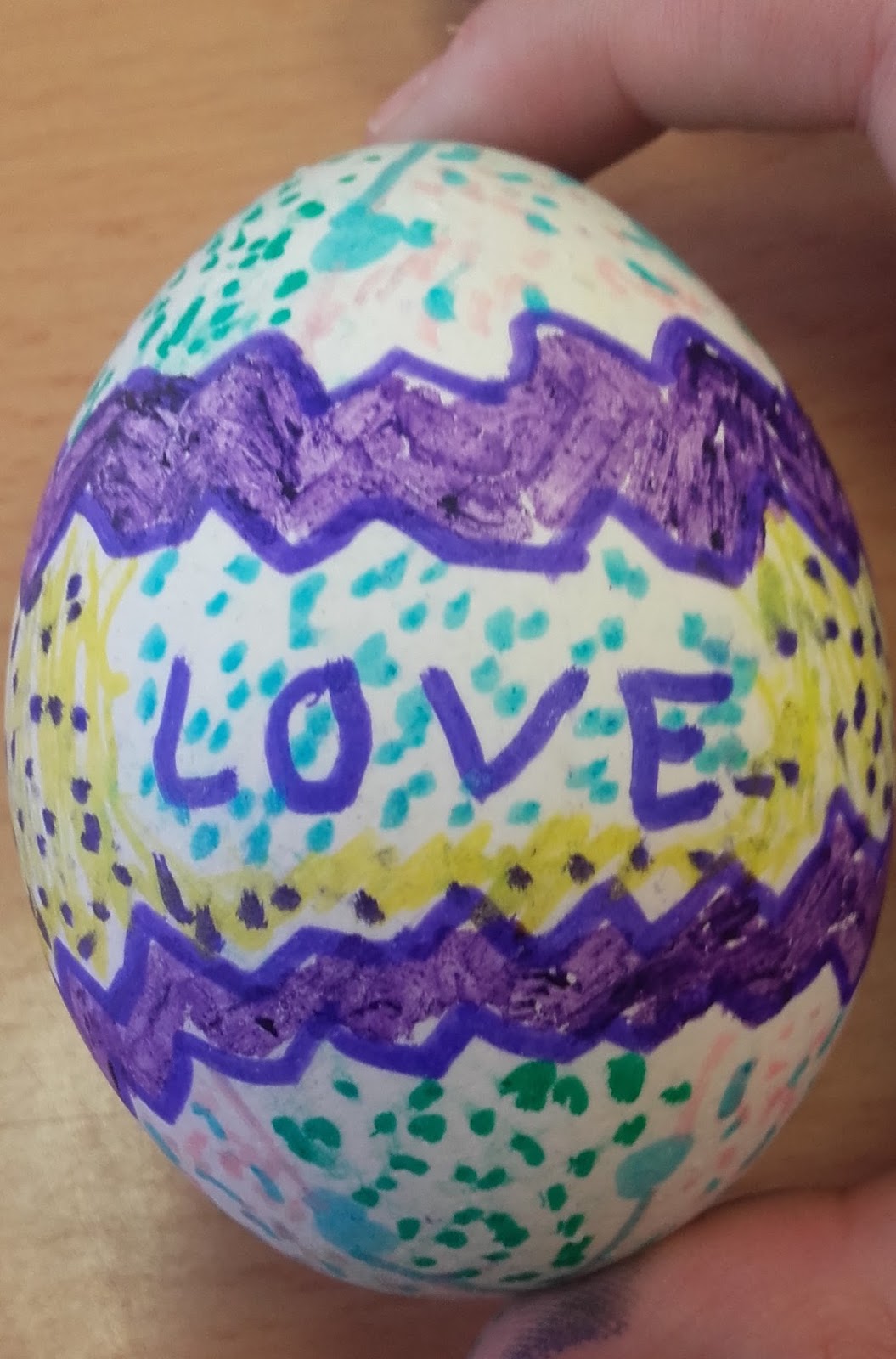
Easter egg hunt


Arts and Crafts

miércoles, 21 de marzo de 2018


Repasamos lo que aprendemos.
Hola amig@s!
Aquí os dejamos este enlace que os va a encantar. Podéis ir practicando de forma divertida los contenidos de todas las áreas que aprendemos en clase. ¡Esperamos que os guste!
Aquí os dejamos este enlace que os va a encantar. Podéis ir practicando de forma divertida los contenidos de todas las áreas que aprendemos en clase. ¡Esperamos que os guste!
jueves, 1 de marzo de 2018
Reproductive system
REPRODUCTIVE
SYSTEM
-
Our reproductive system allows us to
have babies.
-
The female
reproductive system produces eggs in the ovaries.
-
The male
reproductive system produces sperm in the testicles.
-
When a sperm
fertilises an egg the fertilised egg goes to the uterus.
-
It stays there and develops into a
baby after nine months.
miércoles, 28 de febrero de 2018
martes, 27 de febrero de 2018
Respiratory system
RESPIRATORY
SYSTEM
-
When we breathe
in, oxygen enters our blood.
-
When we breathe
out, carbon dioxide leaves our body.
-
It´s made up of:
o
Nostrils
§
The nose has two holes called
nostrils.
§
The nose has got hair inside to clean
the air.
§
The nose warms the air.
o
Windpipe
§
It´s a tube
that connects the nose with two smaller tubes.
o
Bronchi
§
They are the two
smaller tubes connecting the windpipe with the lung.
o
Lungs
§
They are two sacks, made up of lots
of little sacks.
§
They are protected by our ribs.
§
In the little sacks of the lungs,
·
the oxygen
passes from the air into the blood and
·
the carbon
dioxide passes from the blood into the air.
viernes, 23 de febrero de 2018
The 5 senses
THE 5 SENSES
|
SENSE
|
ORGAN
|
TO IDENTIFY
|
|
TOUCH
|
SKIN
|
Hot - cold
Soft – hard
Smooth - rough
|
|
TASTE
|
TONGUE
|
Flavours:
-
Bitter
-
Spicy
-
Sweet…
|
|
SIGHT
|
EYES
|
Color
Shape
Size
Distance
|
|
SMELL
|
NOSE
|
Smells:
-
Good
-
Bad
|
|
HEARING
|
EARS
|
Sounds:
-
Loud – Quiet
-
High – Low
|
Locomotor system
LOCOMOTOR SYSTEM
-
It
makes our body move, eat
and talk.
-
It
uses nutrients and oxygen.
-
It´s
made up of:
o
Muscles
§ There are 600.
§ They are elastic and flexible.
§ We can move some (arms) but others
move automatically (heart).
o
Bones
§ There are 206.
§ They are hard, rigid and light.
§ They support our body and protect our
organs.
§ They make up the skeleton.
o
Joints
§ They are where 2 or more bones meet
(hip, knee, ankle…)
§ Tendons attached muscles to bones.
Suscribirse a:
Entradas (Atom)
-
Exercises to practice comparative adjectives: Exercise 1 Exercise 2 Exercise 3 Exercise 4 Exercise 5

